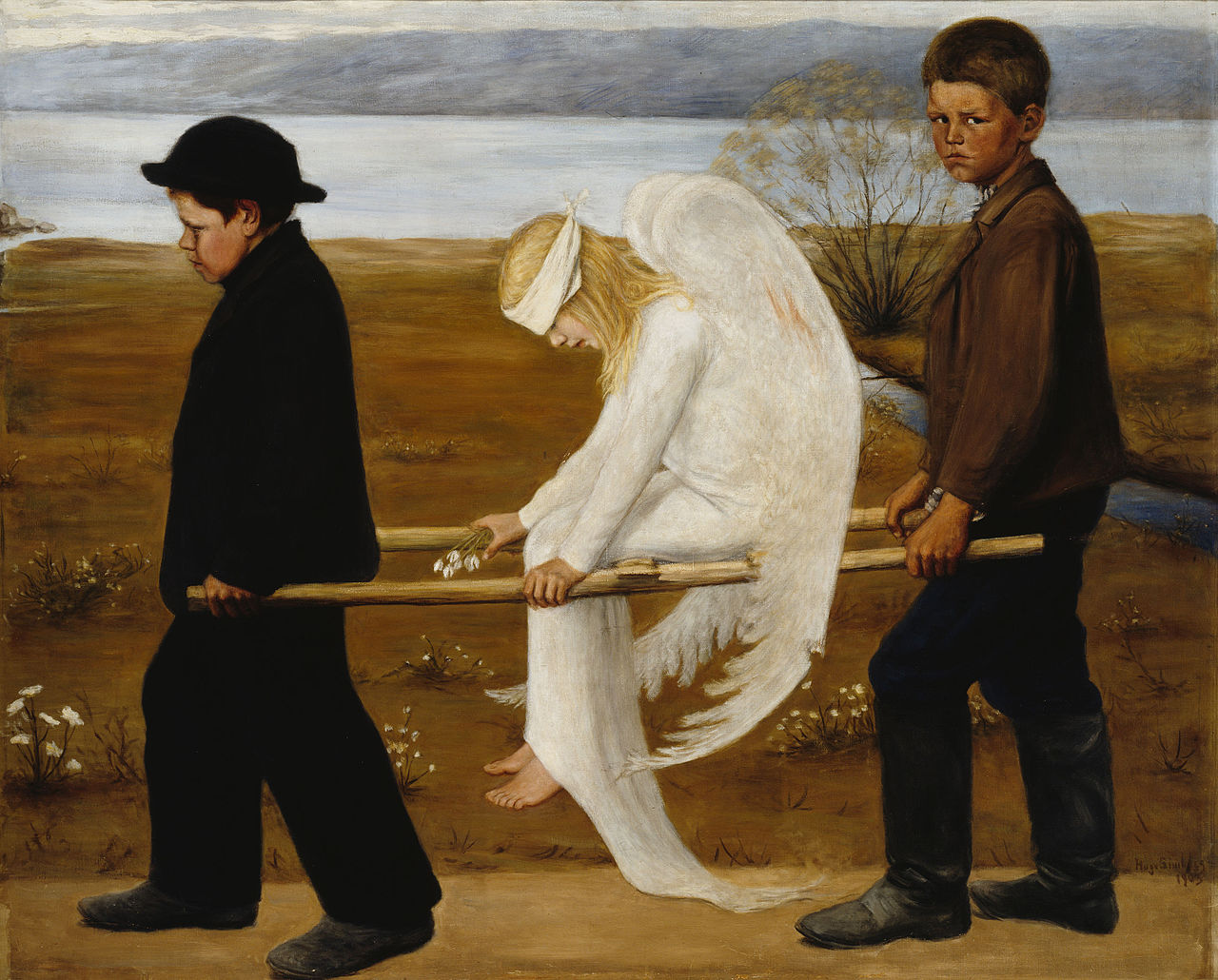
Per Goodreads, Friedrich Reck-Malleczewen “began a secret diary in May 1936, which describes how a psychosis enveloped an entire society, enabling Hitler’s rise to power, and the Nazi regime. His insider observations are set down with passion, with outrage, and almost unbearable sadness.”
I wrote the following review of Reck-Malleczewen’s Diary of a Man in Despair after finishing it in April 2018:
“The best way to describe the arc of the book is to say that Reck is standing in a room watching the world through a window. His friends are around him but they begin to vanish as darkness falls. In the end Reck can no longer distinguish between the world outside and his reflection in the glass. Then it shatters. Decades later you’re in the room walking toward the window. Ghosts.”
Ghosts. That was 2018, of course. No pandemic yet. Passive suicidal ideation, my close companion of four years now, had not made my acquaintance at that time.
In December of that year, I would begin working on a project to provide aid to asylum seekers as they transited my city via Greyhound.
As Bruce Weigl wrote: “…there is no way back from the knowing/something right down to your soul, how there is no remedy for how the brain/is twisted into a loop that will never end…”
Fascists had not yet stormed the Capitol, and America had not yet welcomed those fascists, without precondition or conscience, into unfettered power: stamping that attempted coup with the approval of the electorate.
As Adrian C. Louis wrote: “In a brutal land/within a brutal land/with corrupt leaders/& children killing themselves/we know who is to blame./But we are on a train/a runaway train & we/don’t know what to do.”
Today, March 18th. It’s been almost five years since my last day on campus at the college where I teach. Everyone knows how much changed, and didn’t change, after that.

As Denice Frohman wrote: “a disaster is not a destination –“
Were you to wander through America today, you’d never know that over a million people had recently died in an “unprecedented” (that word, again) pandemic. You’d have no clues from which to draw that conclusion. All the evidence is buried, or in urns, or spread across a variety of desired locations. Of course, there are the widows and widowers, the orphaned children, the grieving friends and family, but only quietly. There are few memorials, and attempts to memorialize are often met with indignation. Maybe that’s the sign of a guilty conscience. A nation which sacrificed its workers and medically compromised, its poor and elderly, for the sake of convenience: that has to burn the conscience, right?

I spent hours, dozens, maybe hundreds of hours working with the nursing department here at the college in their effort to conduct daily COVID testing of all faculty and staff (later to include student-athletes). I would manage piles of forms, sign off on the kind of test used, the name of the subject, verify the expiration dates of the test, set the timer to run the test, over and over. Morning on morning.
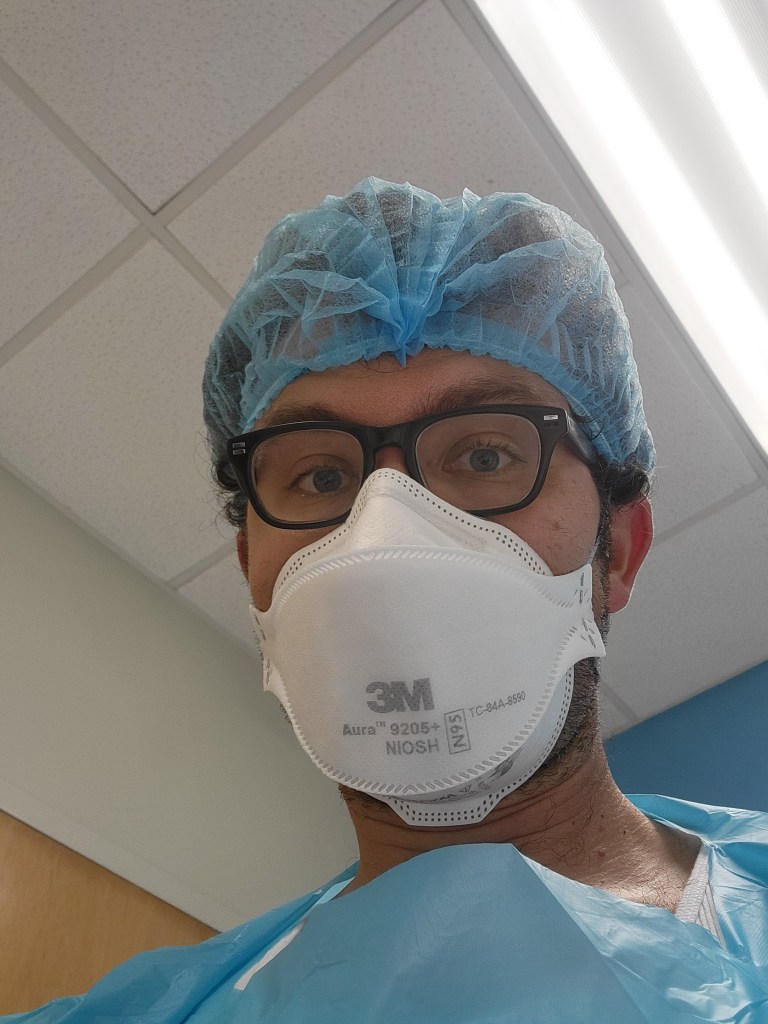
I became a Moderna test subject in August 2020, excited to feel some sense of agency in a situation that had, up to that point, made me feel unbearably powerless. I was healthy, relatively young, and willing. It made sense to offer my body over to the testing. But it did not help the powerlessness.
Ultimately, we’re products of our material conditions and the social structures in which we were raised and in which we live. My personal history and the history of the United States since 1985 have multiple ruptures, inflection points. I cannot exist outside the context of history. I am where I’m from.
There’s no real end point to this piece. It’s just a reflection. I have no call to action or answer. Two of my best friends in middle and early high school died in their 20s. S. was the person who introduced me to Rage Against the Machine. Green Day. Offspring. He died of an opioid overdose in 2008.
J. was a quiet, short kid with freckles and red hair. Kind of goofy but genuine. He joined the Marines after high school and died shortly after his discharge, following several combat tours. The circumstances of his death are brutal, horrific, and not worth going into here.
They are my ghosts. They disappeared as I was standing in this room. All of us so young at the edge of the century in 2000. But they’re my ghosts now. They haunt me every day. I’m no longer in the room. I’ve cut myself on the glass while climbing out.
It’s dark out here.
 An Unhappy Consciousness